Unveiling the Mystique: What is a Gemstone?
Gemstones have captivated human beings for centuries, their allure transcending cultures and civilizations. These precious and semi-precious stones, cherished for their beauty and rarity, have played a significant role in human history. But what exactly defines a gemstone, and what makes them so revered across the ages?
Defining Gemstones:
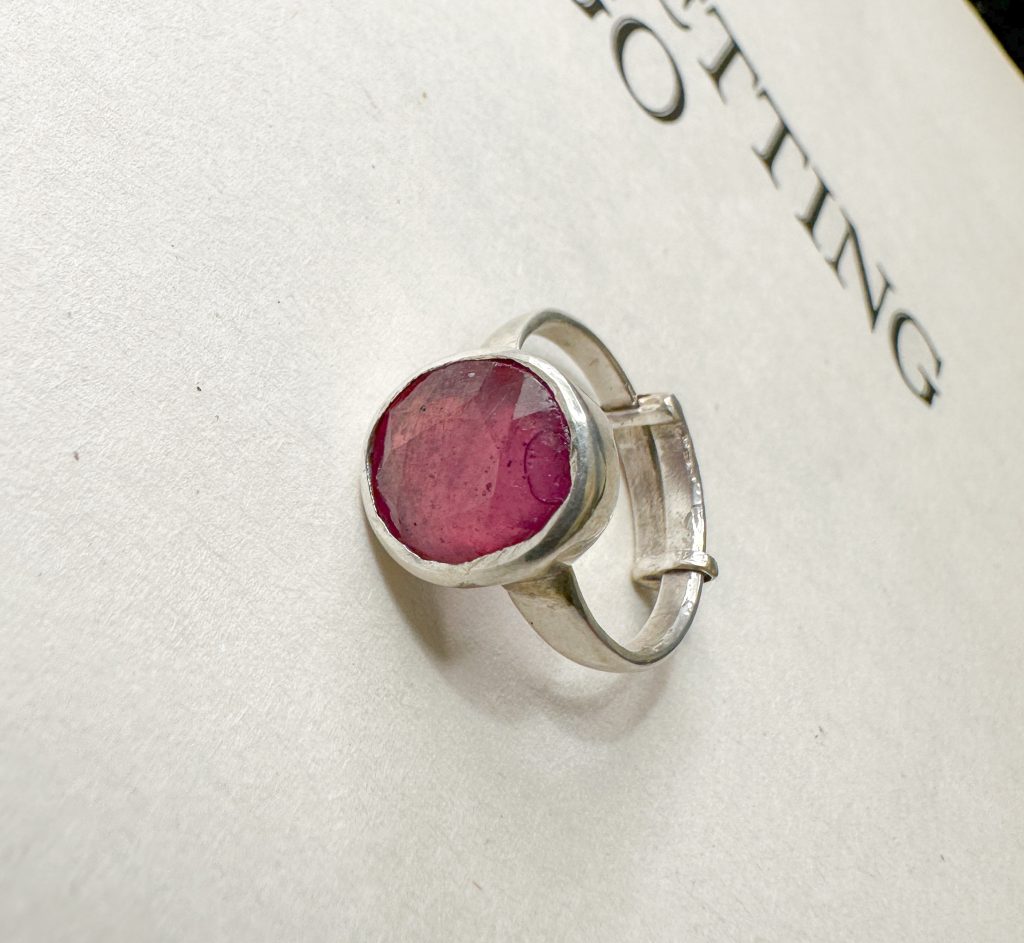
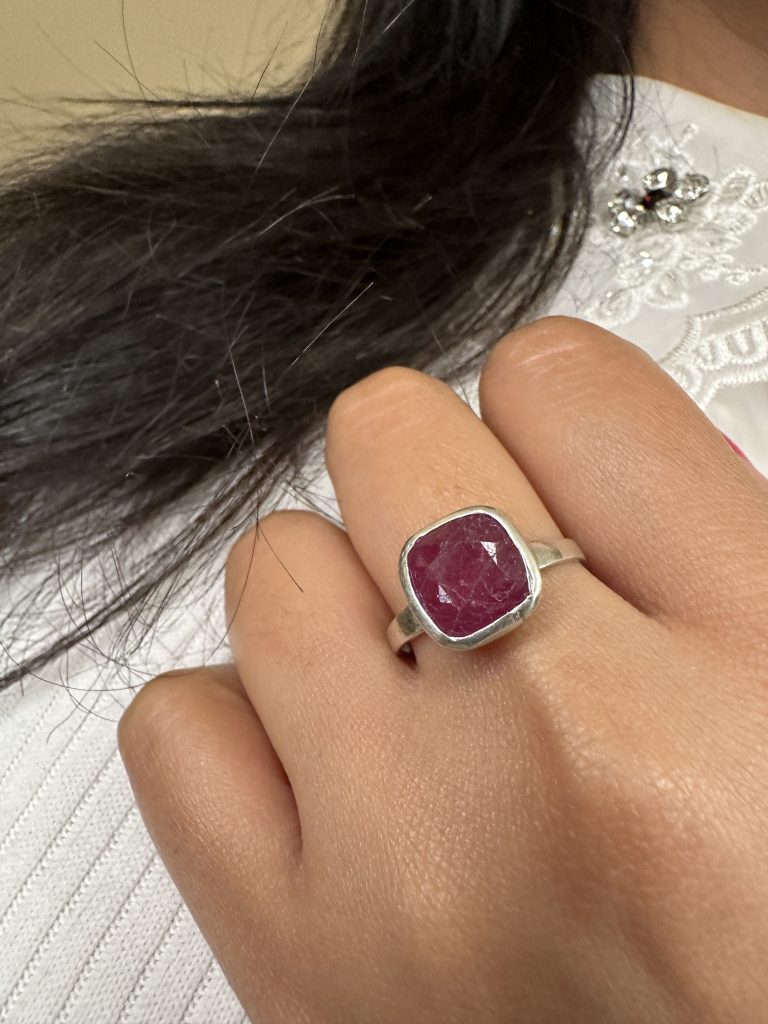
At its core, a gemstone is a mineral or a rock that possesses qualities of beauty, durability, and rarity, making it suitable for use in jewelry or other adornments. These natural treasures are cut and polished to showcase their inherent brilliance, color, and clarity. While diamonds, rubies, sapphires, and emeralds are among the most well-known gemstones, a vast array of other stones also qualifies under this category.
The Four Cs of Gemstones:
Gemstones are evaluated based on four primary characteristics known as the Four Cs: Color, Clarity, Cut, and Carat Weight.
- Color: The color of a gemstone is perhaps its most defining feature. Each gemstone is valued for its unique color properties, ranging from the deep blue of sapphires to the fiery red of rubies. The purity and intensity of the color contribute significantly to a gemstone’s value.
- Clarity: Clarity refers to the absence of internal or external flaws within the gemstone. These flaws, known as inclusions, can impact the stone’s transparency and overall beauty. The fewer the inclusions, the higher the clarity and value of the gem.
- Cut: The cut of a gemstone refers to its shape, proportions, and the quality of its faceting. A well-cut gemstone reflects light in a way that enhances its brilliance and sparkle. The cut is a crucial factor in determining the stone’s visual appeal.
- Carat Weight: Carat weight is a measure of a gemstone’s size. One carat is equivalent to 200 milligrams. Larger gemstones are generally rarer and more valuable, especially when combined with exceptional color, clarity, and cut.
Read about 4Cs in more detail on GIA website by clicking here

Types of Gemstones:
Gemstones can be broadly categorized into two types: Precious and Semi-Precious.
- Precious Gemstones: This category includes diamonds, rubies, sapphires, and emeralds. These gemstones are traditionally considered the most valuable and are renowned for their rarity, exceptional hardness, and vibrant colors.
- Semi-Precious Gemstones: This encompasses a wide range of other gemstones, including amethyst, citrine, peridot, and turquoise. While they may be more abundant than precious gemstones, many semi-precious stones are equally valued for their unique colors and properties.

Cultural and Historical Significance:
Gemstones have held profound cultural and historical significance across civilizations. In ancient times, they were believed to possess mystical properties and were worn for protection, healing, and spiritual connection. Royals and aristocrats adorned themselves with gemstone-studded jewelry as symbols of wealth, power, and prestige.
The Modern Fascination
In the contemporary world, gemstones continue to be cherished for their aesthetic appeal and are often used in engagement rings, necklaces, earrings, and other forms of jewelry. Beyond their ornamental value, gemstones are also used in alternative therapies and crystal healing practices, believed by some to have positive effects on physical and mental well-being.
Gemstones are not merely stones; they are treasures that have fascinated and inspired humanity for millennia. Defined by their unique beauty, rarity, and enduring appeal, these geological marvels continue to be cherished as symbols of love, status, and spirituality. Whether displayed in a museum, adorning a piece of jewelry, or used in holistic practices, the mystique of gemstones persists as a testament to the enduring allure of nature’s creations.