Turquoise is a unique gemstone that has been revered for its beauty and spiritual significance for thousands of years. It has been used for its medicinal properties and was believed to have spiritual benefits. In various ancient cultures, it was highly valued and used in jewelry, amulets, and other decorative items. Today, turquoise continues to be appreciated for its beauty and spiritual significance, and it remains an important part of many cultural traditions.
Turquoise is a mineral that belongs to the family of phosphate minerals, and its chemical composition is a hydrated copper and aluminum phosphate. It is formed in arid regions, where water percolates through rock formations and reacts with copper and aluminum minerals. Over time, this process leads to the formation of turquoise deposits.
Spiritual Benefits
Turquoise has been considered a sacred stone by many ancient cultures, including the Native Americans, Persians, and Egyptians. It was believed to have protective properties and was used to ward off evil spirits and negative energies. It was also thought to enhance intuition and spiritual communication.
In Native American culture, turquoise was considered a sacred stone that symbolized protection, healing, and wisdom. It was believed to have a direct connection to the spirit world and was often used in spiritual ceremonies. It was also thought to have the power to bring good luck and prosperity.
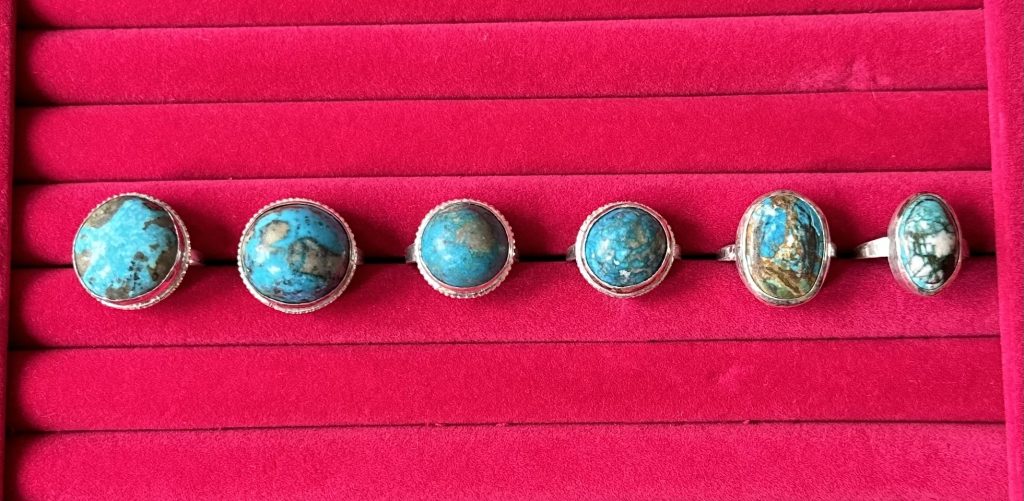
In Persian culture, turquoise was believed to have the power to ward off the evil eye. It was also thought to enhance communication with the spiritual world and was used in divination practices.
In Egyptian culture, turquoise was associated with the goddess Hathor, who was believed to have healing powers. It was also used in jewelry and amulets and was thought to bring good fortune to the wearer.
Medicinal Benefits
Turquoise was also used for its medicinal properties in various ancient cultures. It was believed to have anti-inflammatory and detoxifying effects and was used to treat a variety of ailments, including respiratory problems, headaches, and digestive issues.
In Chinese medicine, turquoise was believed to have a cooling effect on the body and was used to treat fever, inflammation, and other heat-related conditions. It was also used to promote healthy skin and was thought to have anti-aging properties.
In Native American medicine, turquoise was used to treat a variety of ailments, including headaches, asthma, and joint pain. It was also used to promote overall health and well-being.
Ancient Cultures
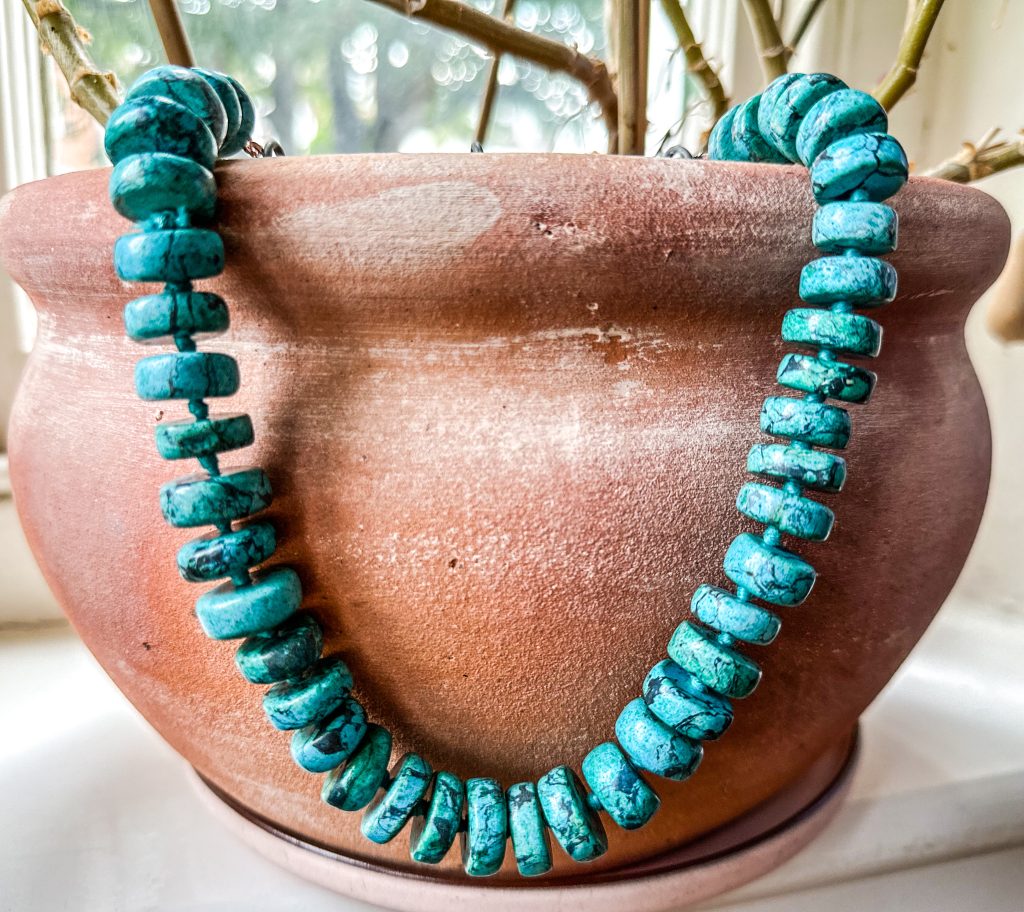
Turquoise has been used by various ancient cultures for thousands of years. It was highly valued by the ancient Egyptians, who used it in jewelry and amulets. It was also used in the construction of important buildings and monuments, such as the pyramids.
In Native American culture, turquoise was highly valued for its spiritual and medicinal properties. It was used in jewelry, pottery, and other decorative items, and was also used in spiritual ceremonies.
In Persian culture, turquoise was considered a royal gemstone and was used in the construction of important buildings and monuments. It was also used in jewelry and amulets and was believed to have protective properties.
Turquoise Origin
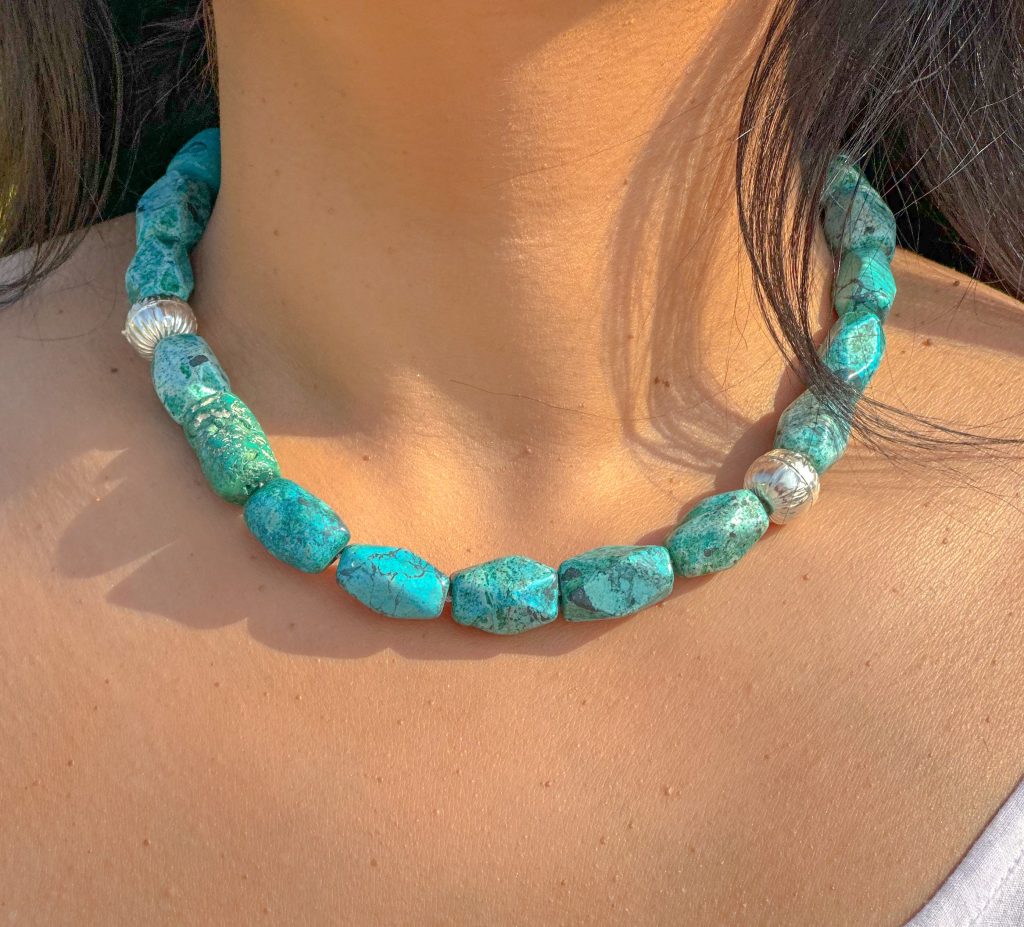
Turquoise has been mined for thousands of years, and it was used by many ancient cultures for its beauty and spiritual significance. Some of the oldest known turquoise mines are located in the Sinai Peninsula in Egypt, and they date back to the 4th millennium BCE. Other ancient turquoise mines were located in Iran, Tibet, and the American Southwest.
Today, the largest producers of turquoise are the United States, Iran, and China. The United States is particularly known for its high-quality turquoise, which is found in several states, including Arizona, New Mexico, and Nevada.
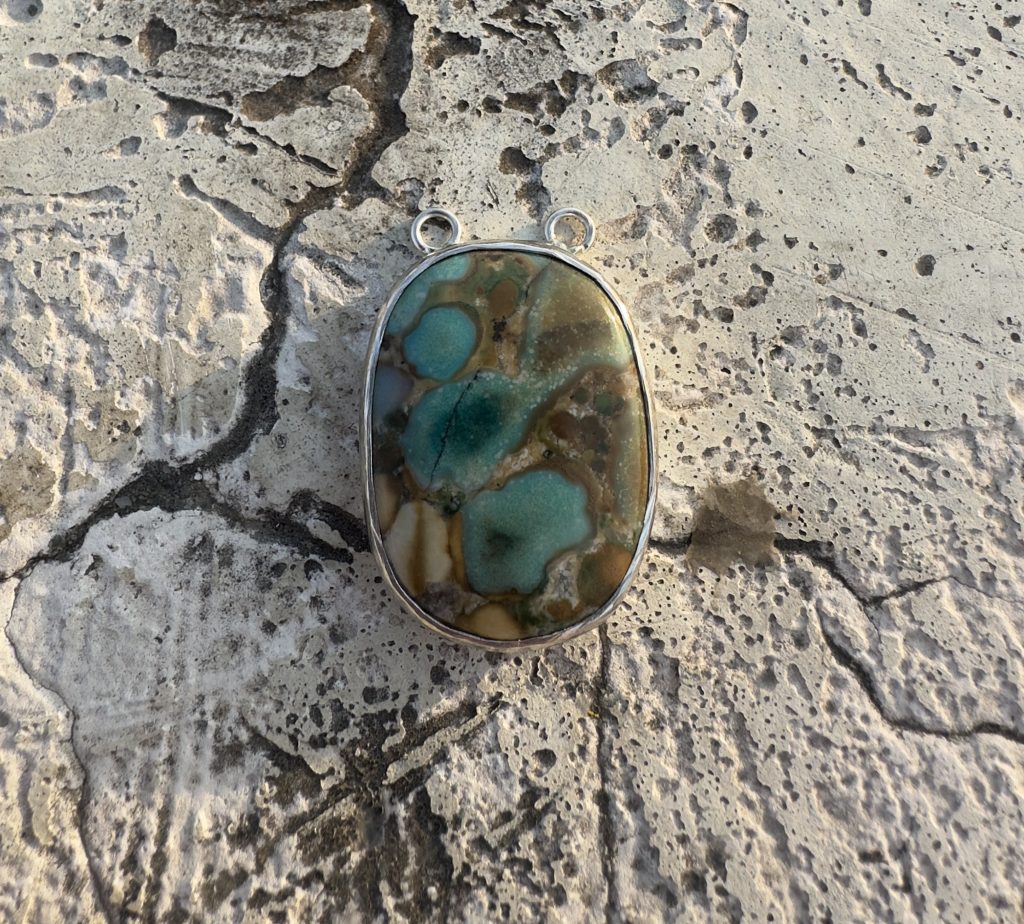
Royston is a famous turquoise mine located in Nevada, USA. The turquoise from Royston is known for its vivid blue and green coloration, often with distinctive brown or golden matrix patterns. Royston turquoise is highly valued by jewelry makers and collectors, and it is often used in high-end pieces of jewelry.
Turquoise quality can vary widely, depending on its origin, color, and texture. High-quality turquoise has a deep blue-green color and a fine texture, without any visible inclusions or veins. It is also harder and more durable than lower quality turquoise. Lower quality turquoise can have a lighter color, with visible veins or inclusions, and it may be more porous and prone to cracking.

The value of turquoise is determined by its quality, rarity, and origin. Some of the most valuable turquoise comes from specific mines, such as the Sleeping Beauty mine in Arizona or the Kingman mine in Nevada. Turquoise jewelry and decorative items made with high-quality turquoise can be quite expensive, and they are highly sought after by collectors and enthusiasts. Neyshabur is a city in northeastern Iran that is famous for its turquoise mines. The turquoise from Neyshabur is known for its distinctive deep blue-green color and is highly prized by collectors and jewelers. The turquoise from this region is often referred to as “Neyshabur turquoise” or “Iranian turquoise.”
Both Neyshabur and Royston produce high-quality turquoise that is valued for its beauty, durability, and unique characteristics. Turquoise from different regions can have distinct variations in color, matrix patterns, and texture, making it a fascinating gemstone to study and collect. Whether it’s Neyshabur turquoise from Iran or Royston turquoise from Nevada, each piece of turquoise has its own story and unique beauty that has been prized for centuries.
Beautifully written! Love how it highlights Turquoise’s history, spiritual benefits, and versatility in fashion. A must-have gemstone. For more information, do visit:- https://navratan.us/