I have recently read an article “Karmic Knots: A Tibetan Jeweler’s Journey” on https://folklife.si.edu/ about a Tibetan jeweler’s journey and it inspired me to write about Tibetan jewelry on my blog. The article is a lovely and inspiring read. Link here.
I have always felt very close to Tibetan culture, cause and people. Even though I have never been there of course and I don’t have a major connection. My only connection to Tibet is through Buddhist meditation practice “Vipassana”. However, I don’t follow Vajrayana or Mahamaya practices. I practice vipassana meditation as thought by S.N Goenka in U Ba Khin tradition. Below are my views on beautiful Tibetan jewelry.
Tibetan jewelry, steeped in centuries of tradition and spirituality, reflects the rich cultural heritage of the Tibetan people. From intricately crafted pieces adorned with symbolic motifs to the use of precious gemstones believed to possess healing properties, Tibetan jewelry serves as more than mere adornment—it is a tangible expression of Tibetan culture, beliefs, and identity.
A Glimpse into Tibetan Jewelry Making
Tibetan jewelry making is an ancient art form that has been passed down through generations, with techniques often kept within families and communities. Skilled artisans, known as silversmiths, meticulously craft each piece by hand, using traditional methods and tools that have remained largely unchanged over time.
Silver holds a special significance in Tibetan culture, symbolizing purity and wisdom. Therefore, silver is the primary metal used in Tibetan jewelry, often adorned with intricate filigree work, granulation, and embossing techniques. The result is stunning pieces of jewelry that showcase both craftsmanship and spiritual symbolism.
Symbolism and Meaning
Tibetan jewelry is replete with symbolic motifs, each carrying profound meaning and significance. These symbols often draw from Tibetan Buddhism, which plays a central role in Tibetan culture and spirituality. Common symbols found in Tibetan jewelry include
Srivatsa or Endless Knot
Representing the interconnectedness of all things and the endless cycle of life, death, and rebirth.
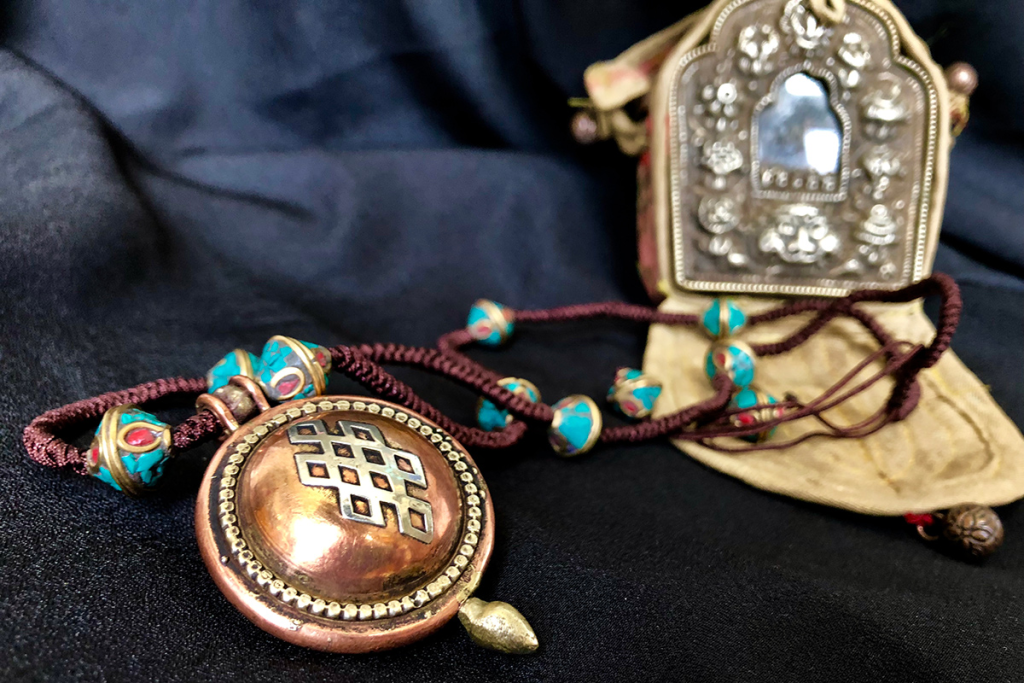
Curtesy: https://folklife.si.edu/magazine/rigzin-karmic-knots-tibetan-jewelers-journey
The Eight Auspicious symbols
Including the conch shell, lotus flower, and endless knot, among others, each symbolizing different aspects of Buddhist teachings and virtues.
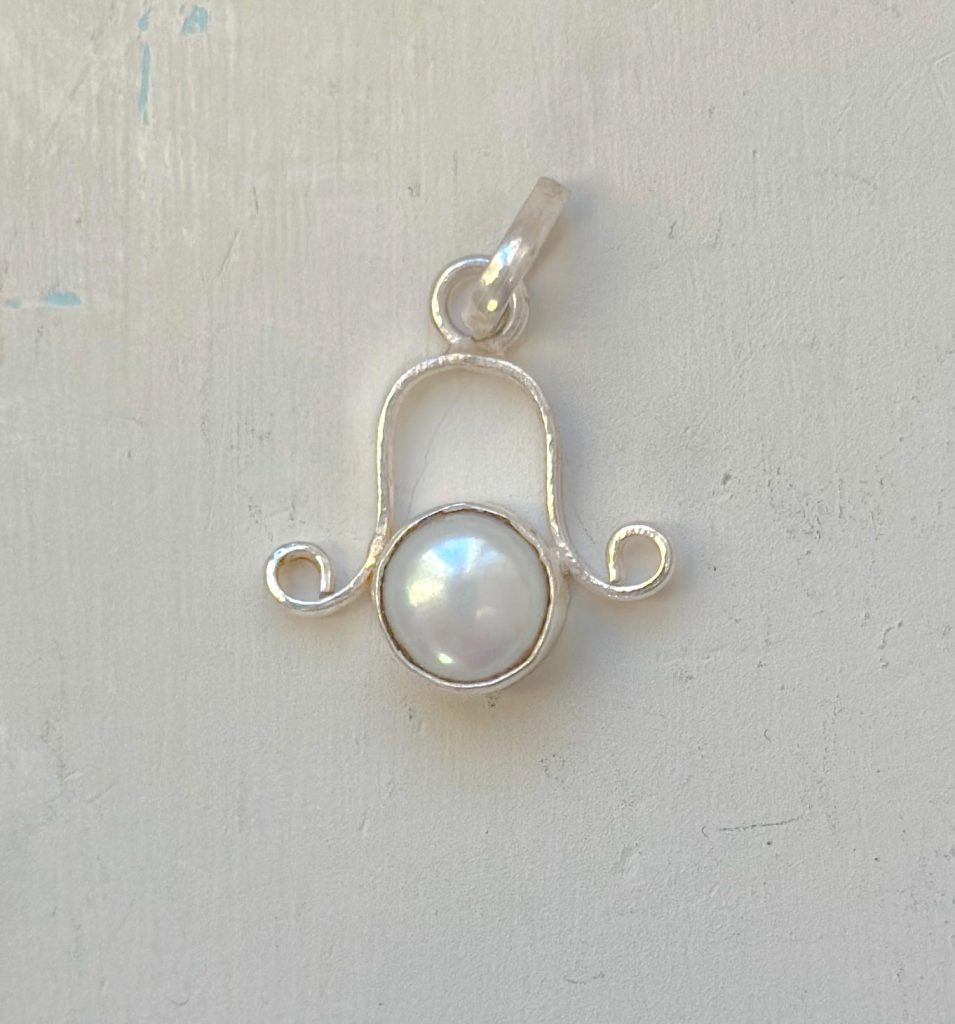
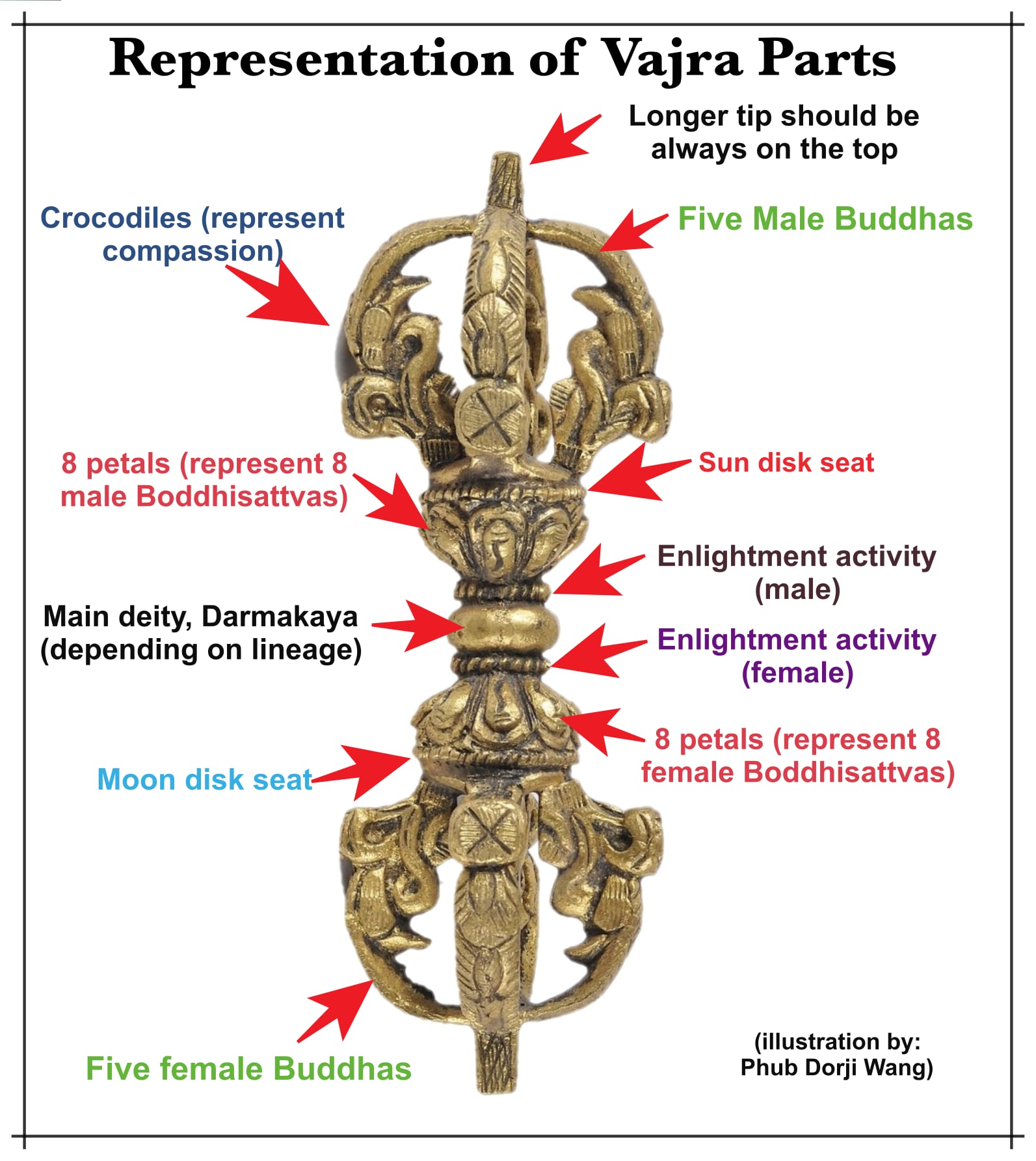
The Dorje (Vajra) and Bell (Ghanta):
Symbolizing the masculine and feminine principles, as well as wisdom and compassion, respectively. Dorje is the thunderbolt symbolizing masculine energy while bell symbolizes Feminine energy.
Gemstones and Their Significance
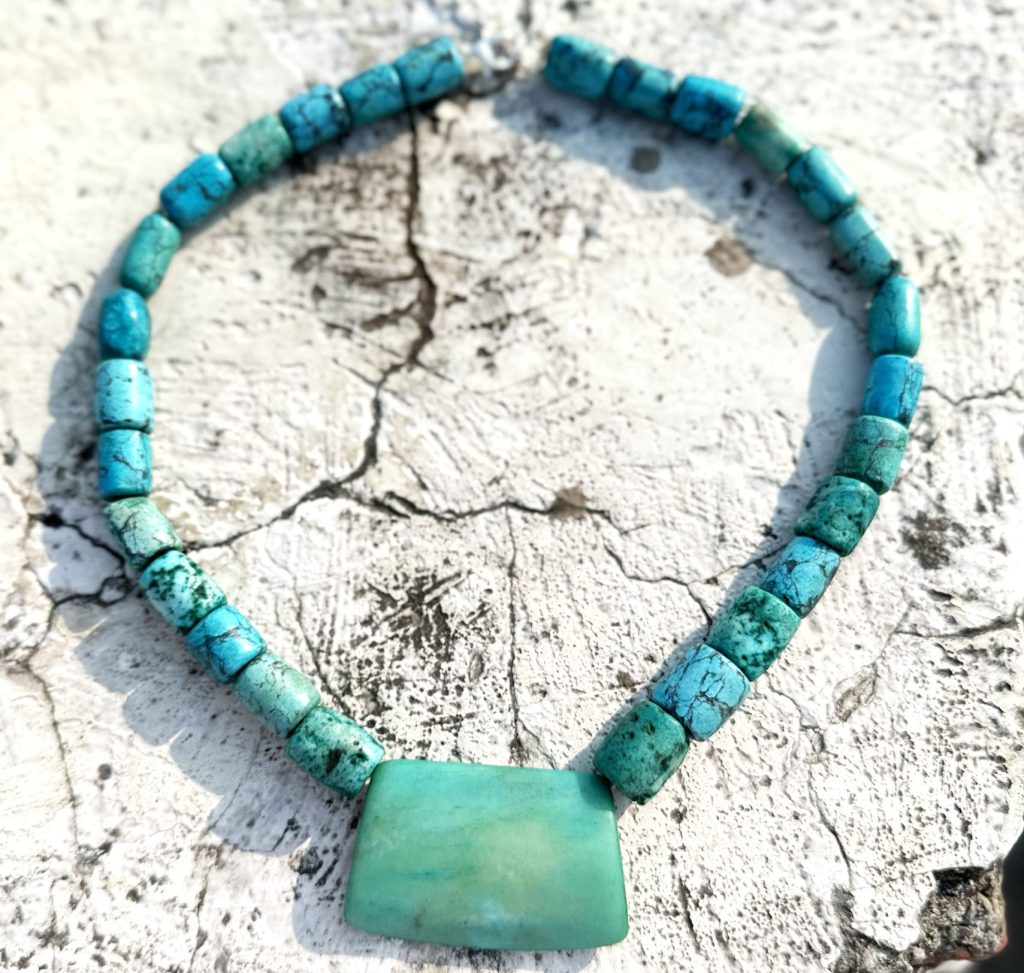
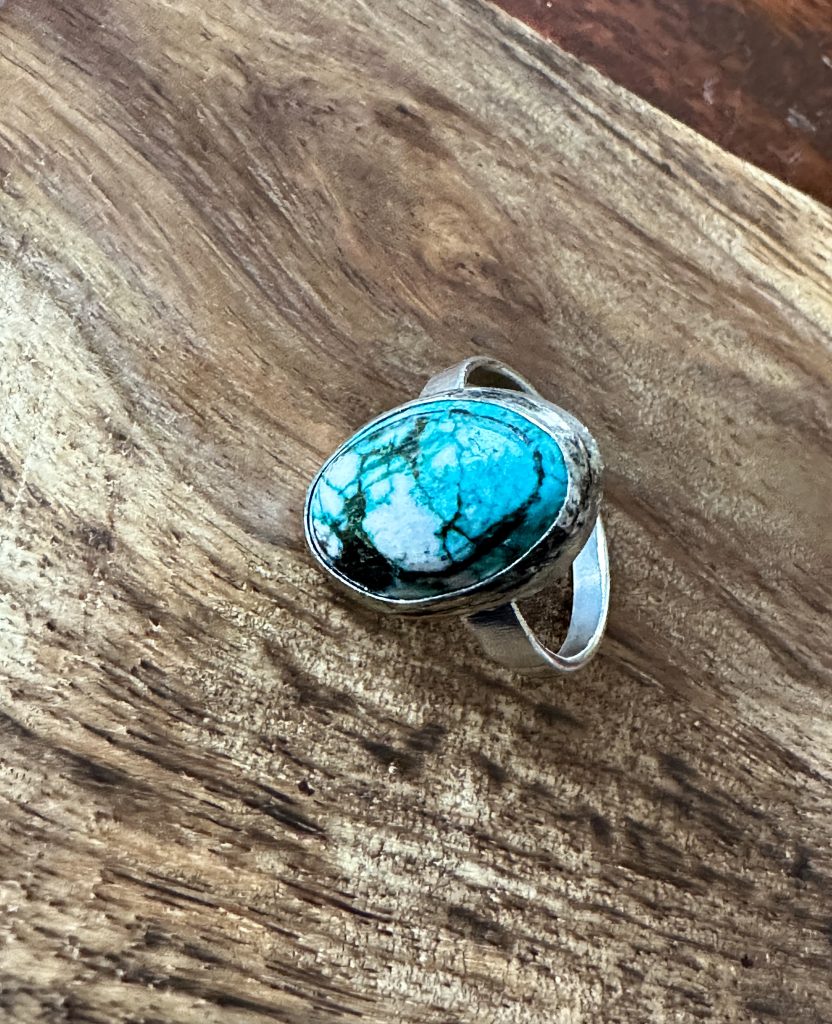
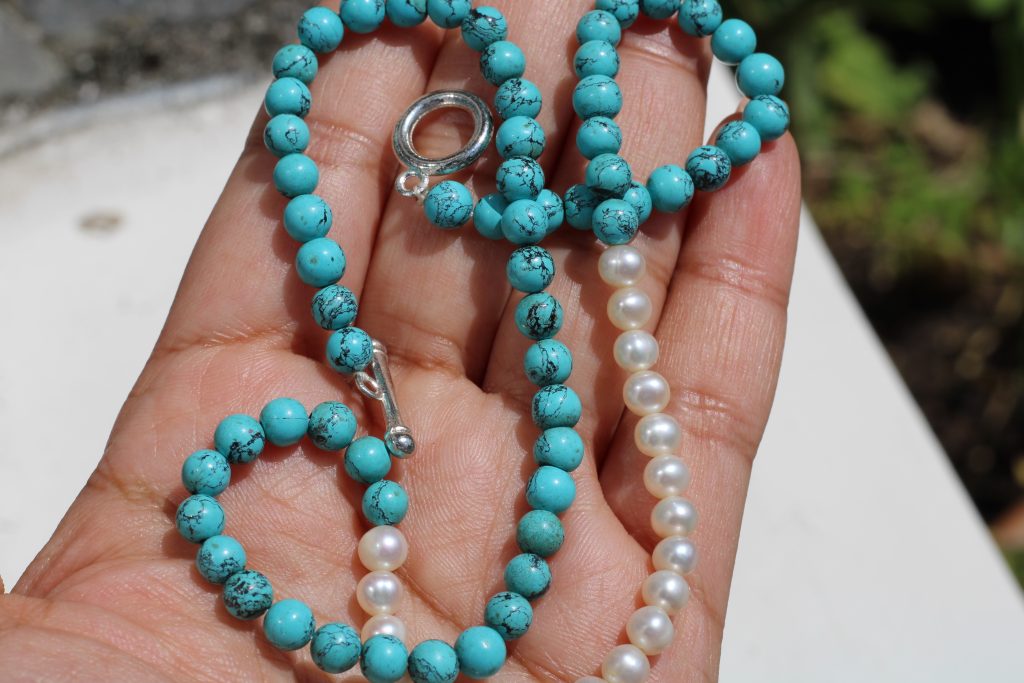
Gemstones hold a special place in Tibetan jewelry, believed to possess healing properties and spiritual significance. Turquoise, in particular, is highly revered and considered a sacred stone in Tibetan culture. Known as the “sky stone,” turquoise is believed to bring protection, good fortune, and positive energy to the wearer.
The Tibetan Om (Aum)
A sacred symbol representing the essence of the universe, often found in mantra beads and prayer wheels.

Other gemstones commonly used in Tibetan jewelry include coral, amber, lapis lazuli, and various types of agate. Each stone is carefully selected for its color, texture, and energetic properties, with specific gemstones believed to address different physical, emotional, and spiritual needs.
Ritual and Ceremonial Use
Tibetan jewelry is not merely decorative but also serves ritual and ceremonial purposes within Tibetan culture. Amulets, talismans, and prayer beads are often worn as protective charms or used in meditation and prayer practices.
Mala beads, for example, are strings of 108 beads used for counting mantras and prayers during meditation. Each bead represents a repetition of a mantra, allowing the practitioner to focus their mind and cultivate inner peace and spiritual awakening.
Preserving Tradition in a Modern World
Despite the challenges of modernization and globalization, Tibetan jewelry continues to thrive as a symbol of cultural identity and spiritual heritage. Tibetan artisans, supported by organizations and initiatives promoting traditional crafts, are working to preserve and revitalize these ancient techniques for future generations.
In a world where mass-produced jewelry dominates the market, Tibetan jewelry stands apart as a testament to the enduring beauty of handmade craftsmanship and the profound connection between art, culture, and spirituality.
Tibetan jewelry transcends mere adornment, embodying the rich tapestry of Tibetan culture, tradition, and spirituality. From the intricate silverwork to the symbolic motifs and precious gemstones, each piece tells a story—a story of craftsmanship, devotion, and reverence for the spiritual path.
As we adorn ourselves with Tibetan jewelry, we not only celebrate its beauty but also honor the centuries-old traditions and wisdom of the Tibetan people—a legacy that continues to inspire and captivate us with its timeless allure.