Topaz is a popular gemstone known for its stunning color range, which includes shades of yellow, brown, blue, pink, and even colorless varieties. Here’s a breakdown of its characteristics:
Color
The most common color of topaz is yellow, ranging from pale yellow to a deep golden hue. However, it can also be found in various other colors due to impurities and defects in its crystal structure. Colorless topaz is plentiful, and is often treated to give it a blue color. Topaz is also pleochroic, meaning that the gem can show different colors in different crystal directions. Blue topaz, in particular, is quite popular and is often achieved through irradiation and heat treatment of colorless or pale yellow stones.
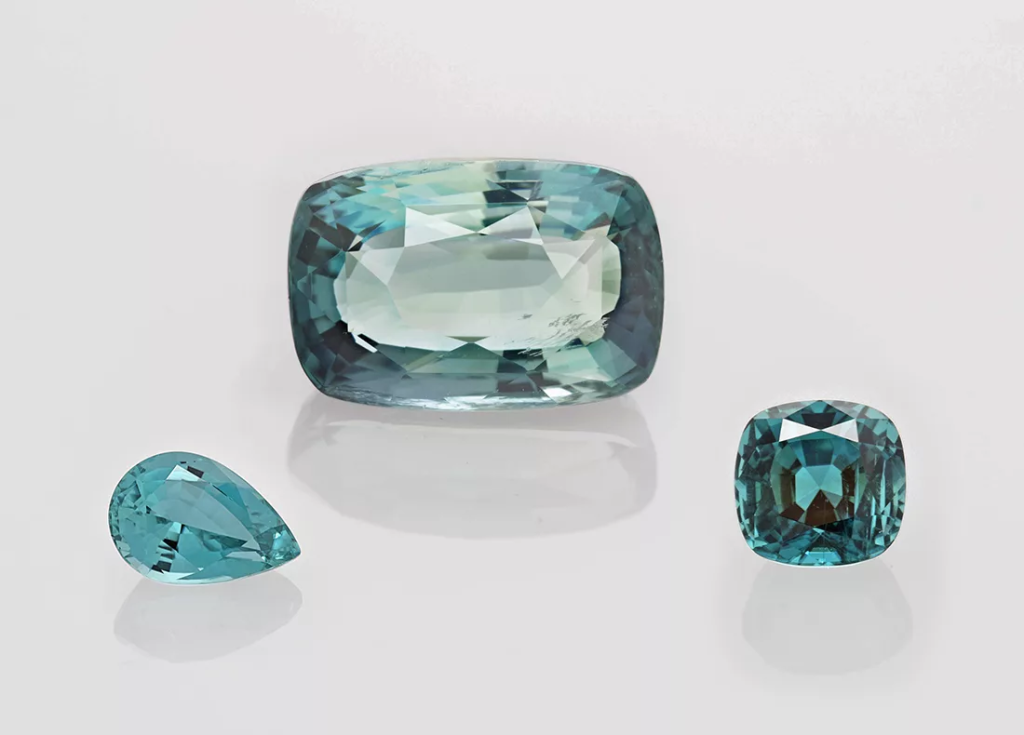
Curtesy: SSEF
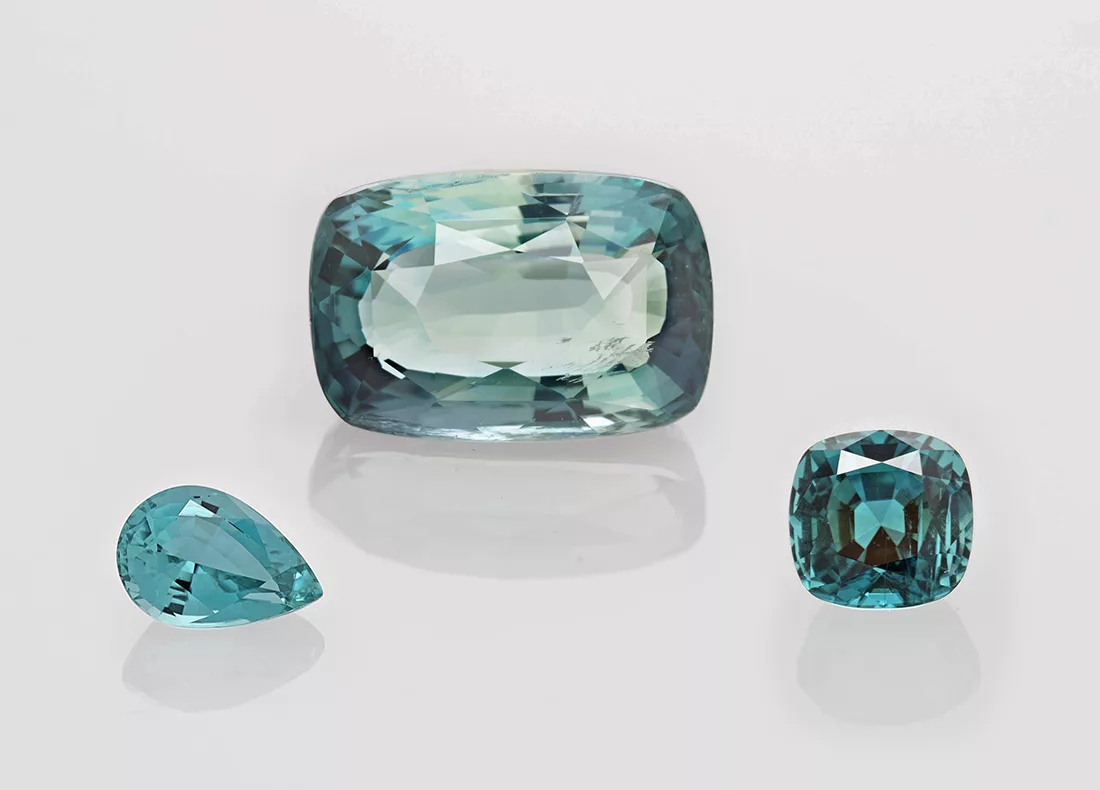
Gem Properties
Topaz is a hard and durable gemstone, ranking 8 on the Mohs scale of hardness. It’s relatively resistant to scratches and abrasion, making it suitable for everyday wear in jewelry. Topaz often forms in prismatic crystals with well-defined faces and can occur in various environments, including granite pegmatites, cavities in volcanic rocks, and alluvial deposits.
Imperial Topaz Gemstone
The Imperial Topaz is recognized as being a “golden orange to pink, or fiery red” hue – this is the rarest of all Topaz, and some of the rarest of all gems.
Topaz Birthstone
Precious topaz is a birthstone for November while blue topaz is a birthstone for December. Blue topaz is the gem of the 4th anniversary and Imperial topaz is the gem of the 23rd anniversary.
Spiritual Properties
In metaphysical and spiritual beliefs, topaz is associated with several properties:
Healing: It’s believed to have healing properties, particularly in aiding with digestion, balancing emotions, and promoting general well-being.
Protection: Some believe topaz can protect against negative energy and promote feelings of joy and abundance.
Creativity: It’s also associated with enhancing creativity and boosting mental clarity and focus.
Topaz Origin
Topaz is found in various locations around the world, including Brazil, Russia, Sri Lanka, Nigeria, Pakistan, Mexico, and the United States. Brazil is one of the largest producers of topaz, particularly blue topaz. Other notable sources include the Ural Mountains in Russia and the state of Minas Gerais in Brazil.
Overall, topaz is a versatile gemstone prized for its beauty, durability, and spiritual properties. Whether used in jewelry or for its metaphysical properties, topaz continues to be a cherished gemstone in many cultures.
Citrine vs Topaz
Citrine and topaz are two captivating gemstones often admired for their warm, golden hues, but they differ significantly in composition and properties. Citrine, a variety of quartz, derives its sunny coloration from trace amounts of iron impurities within its crystal structure. With a hardness of 7 on the Mohs scale, citrine is durable and suitable for jewelry. Its color spectrum typically ranges from pale yellow to deep golden brown. Conversely, topaz, composed of aluminum, fluorine, and hydroxyl ions, boasts a broader palette including yellow, golden, blue, pink, and colorless varieties. Topaz is slightly harder than citrine, ranking 8 on the Mohs scale, making it one of the toughest silicate minerals. While both gemstones can exhibit captivating golden tones, their distinct compositions, hardness levels, and color variations set them apart in the world of gemstones.
Topaz vs Aquamarine
Topaz and aquamarine are two enchanting gemstones celebrated for their captivating blue hues, yet they possess distinct compositions and characteristics. Topaz, a silicate mineral comprising aluminum, fluorine, and hydroxyl ions, exhibits a wide spectrum of colors beyond blue, including yellow, golden, pink, and colorless varieties. With a hardness of 8 on the Mohs scale, topaz ranks high in durability, suitable for various jewelry applications. Conversely, aquamarine, a member of the beryl family, derives its serene blue color from traces of iron within its crystal lattice. Known for its transparency and clarity, aquamarine often showcases a delicate blue reminiscent of tranquil ocean waters. With a hardness of 7.5 to 8 on the Mohs scale, aquamarine is resilient and well-suited for jewelry. Both gemstones evoke visions of serene blue skies and tranquil seas, yet their unique compositions and qualities make each a distinct and cherished addition to any collection or adornment.